
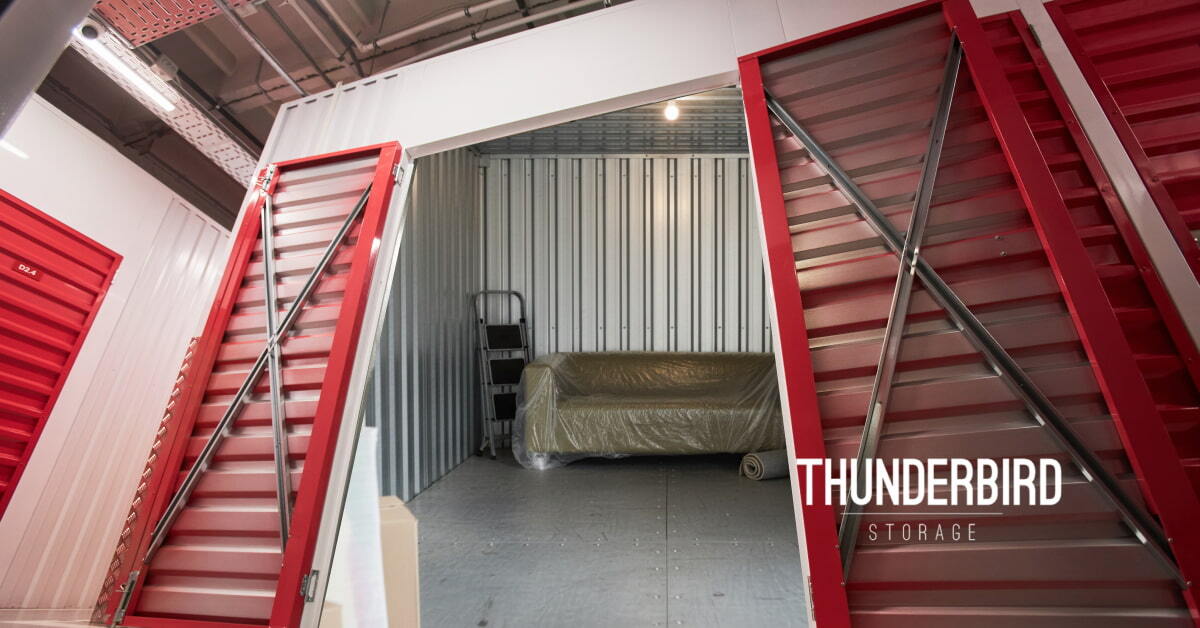
Furniture is often the most valuable and most vulnerable thing people place in storage.
Whether you’re storing items during a move, renovation, or transition, improper preparation can lead to scratches, warping, mold, or permanent damage. The good news is that most furniture damage in storage is preventable with the right preparation and layout.
This guide walks through how to store furniture safely in Cedar City, so your items come out of storage in the same condition they went in.
Furniture damage usually happens because of:
Understanding these risks helps you avoid them.
Never put dirty furniture into storage.
Before storing:
Dirt and moisture left on furniture can cause staining, odors, or mold over time.
Taking furniture apart reduces stress on joints and makes storage safer.
Disassemble:
Keep hardware in labeled bags and tape them securely to the furniture.
Proper wrapping protects against scratches and dust.
Use:
Avoid wrapping furniture tightly in plastic without ventilation, especially in warmer months.
Keeping furniture directly on the floor increases exposure to moisture and dust.
Instead:
This simple step can significantly reduce risk.
How you place furniture matters.
Best practices include:
Airflow helps prevent odors and moisture buildup.
Soft items need extra care.
Tips:
Never store mattresses flat under heavy weight — this can cause sagging.
Avoid:
Small mistakes can lead to big problems later.
For moves or renovations:
For longer storage:
Planning changes based on timeline protects furniture long-term.
Related reading: How Long Do Most People Actually Need Storage?
Seasonal temperature changes can affect stored furniture.
Smart preparation helps furniture handle:
Good airflow and moisture control are key year-round.
Furniture storage isn’t about fitting everything in — it’s about keeping items usable and undamaged.
When prepared properly, storage becomes a protective solution, not a risk.
If you’re planning to store furniture and want flexible options that fit your timeline, you can rent a storage space designed for safe furniture storage when you’re ready.
Plastic can help with dust, but items should never be sealed airtight.
Yes, but only stable, heavy pieces should support weight.
Disassembly reduces stress and saves space whenever possible.
Yes, as long as they’re supported and not bent.
Every few months is ideal, especially for long-term storage.