
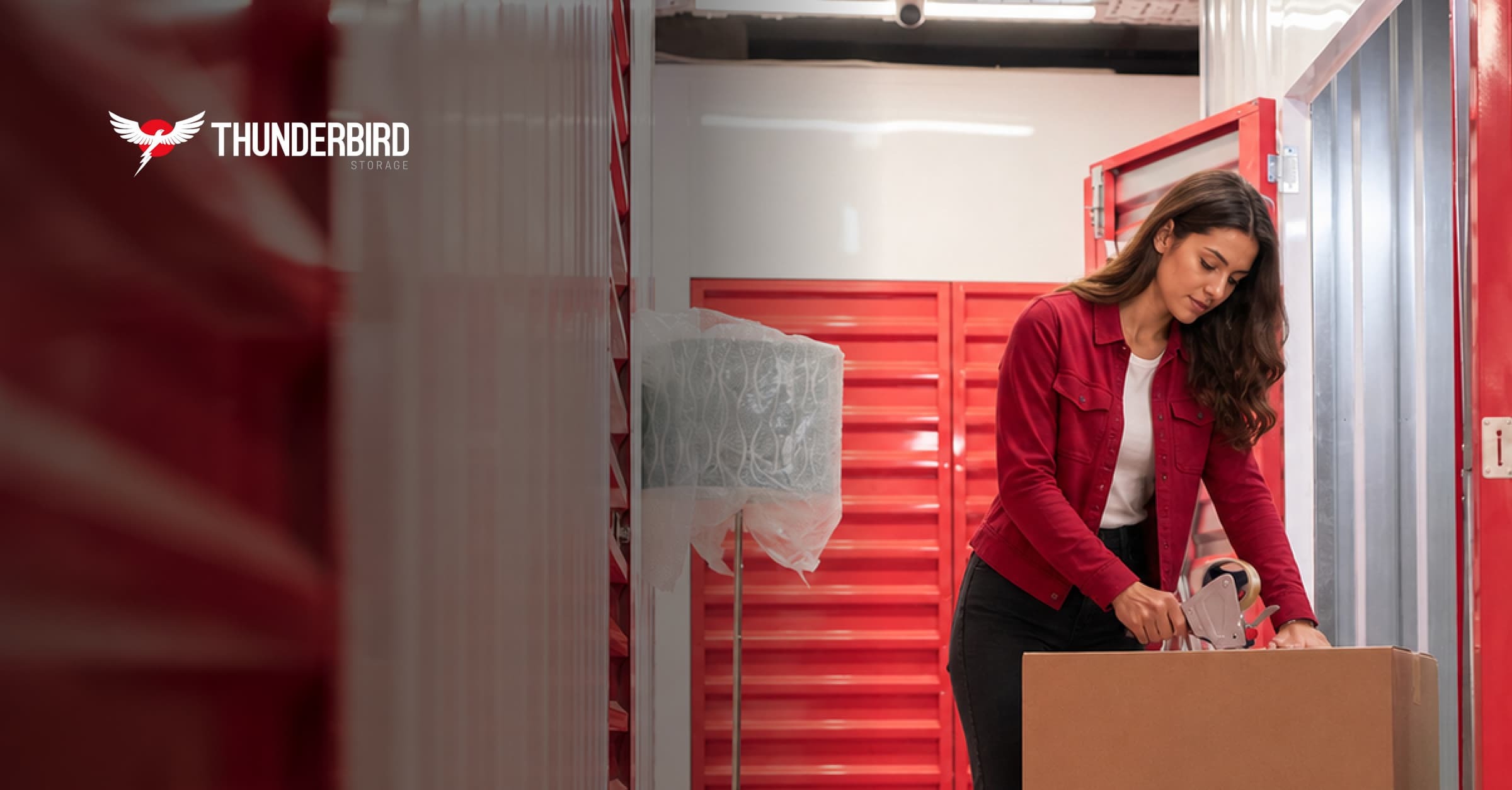
One of the hardest parts of decluttering isn’t deciding what to get rid of — it’s deciding when.
You open a closet or storage space and think:
If you are wondering how long to keep household items, this decluttering guide walks through realistic household storage timelines and how temporary space can help you make better decisions without pressure.
Most people don’t hold onto items because they’re careless — they do it because:
Keeping something doesn’t mean you’re doing it wrong. It often means you’re waiting for clarity.
Instead of asking “How long should I keep this?”, ask:
These questions are often more helpful than arbitrary timelines.
Furniture is usually kept:
People often store furniture temporarily during:
Storage allows you to decide later without rushing to sell or donate.
Clothing is typically worn:
If something hasn’t been worn in years but still fits and has value, storage can help separate maybe from definitely not.
Small appliances and cookware tend to last:
Duplicates and specialty items often linger longer than needed — storage can help you test whether you truly miss them.
Items like:
Are often used only a few times per year, which makes storage a practical long-term option instead of cluttering living space.
Important documents should be kept as long as legally required.
Old paperwork often sticks around because:
Organized storage can help preserve what matters while you discard the rest.
Storage isn’t about avoiding decisions — it’s about making better ones.
Using storage allows you to:
This is especially helpful during life changes.
Storage is helpful — until it becomes permanent without intention.
It may be time to reassess if:
At that point, storage has done its job.
Most people declutter in phases:
There’s no rush — and no one-size-fits-all timeline.
When used intentionally, storage:
If you’re sorting through household items and want time to decide without pressure, you can rent a storage space that supports your decluttering process when you’re ready.
Anywhere from a few years to decades, depending on usefulness and life changes.
Yes — especially if you need time to decide without rushing.
Every 6–12 months is a good guideline.
Only if it’s used without intention. Planned storage supports better decisions.
Items tied to “future use” or emotional value are usually the toughest.